
For months, Claude Code has been the default reflex for many assisted development sessions: open a terminal, give it the context, and let the agent move through the repository. The problem is that this experience depends on two things that are unforgiving: infrastructure availability and output-token cost.
That is precisely where the landscape has changed. DeepSeek V4 Pro, GPT-5.5, Gemini 3.5 Flash tested in Antigravity 2.0 and Qwen 3.7 Max are no longer just models to keep an eye on. They are credible alternatives, sometimes less polished than Claude, but often more rational for day-to-day agentic coding.
The right model is no longer simply the strongest benchmark model. For long coding sessions, the real decision is quality of reasoning, service stability and actual output cost.
Why compare them now?
Claude has a very clear paradox: the product is excellent, but the real-world experience degrades as soon as demand spikes. HTTP 500 errors, slowdowns, implicit queues and latency peaks break the continuity of a coding session. During a multi-file refactor or a complex debugging pass, an interruption is not just annoying: it makes you lose the thread.
Anthropic documents the 5xx case in Claude Code: the tool shows the raw response body and points users to the service status page if the issue persists. That is reasonable support behavior, but as a user it confirms the core issue: a model can be excellent, but if the infrastructure does not hold up during busy hours, it becomes hard to defend as your only dependency.
Technical comparison
| Model | Strengths | Weak spots | Best coding use case |
|---|---|---|---|
| DeepSeek V4 Pro | Very competitive MoE architecture, 1M-token context, aggressive price/performance. | Less integrated ecosystem than Claude Code, sometimes more uneven for frontend work, provider dependency to monitor. | Refactors, scripts, backend work, data engineering and long sessions under cost control. |
| GPT-5.5 | Strong coding quality, fast in practice, file/image/text multimodality, 1.05M context, Codex integration with skills, plugins and tools. | Premium pricing close to Claude, $30/M output tokens, and higher pricing beyond 272K input tokens. | A premium Claude Code alternative: a serious backup, and potentially the main model when Anthropic reliability gets in the way. |
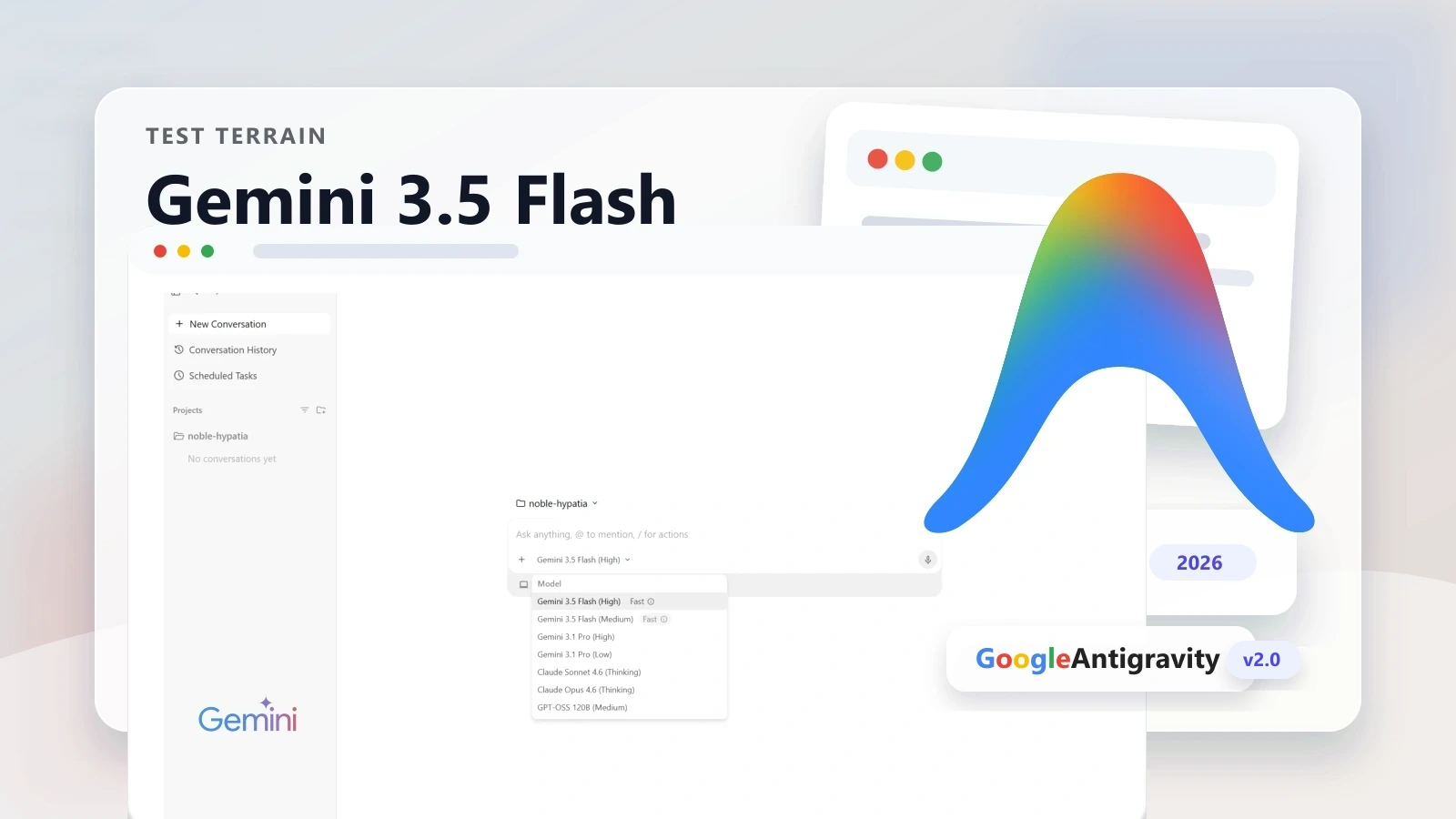
| Gemini 3.5 Flash | Very fast, multimodal, strong candidate for agentic workflows and Antigravity. | Pricier than expected for a Flash model, very Google-product behavior, Antigravity UX still ambiguous. | Frontend prototyping, UI generation, multimodal analysis and fast agents. |
| Qwen 3.7 Max | Strong agentic/coding positioning, 1M-token context, intermediate price, active Qwen ecosystem. | Proprietary Max model, can be verbose, so real session cost can rise. | Long-horizon agents, debugging, office/document tasks and multi-step code work. |
| Claude Opus 4.7 | Excellent reasoning, very strong in code, excellent understanding of large repositories. | High output price, recurring Claude/Claude Code incidents, strong dependence on Anthropic infrastructure. | Complex tasks where quality matters more than cost: architecture, deep debugging, critical reviews. |
Pricing comparison
Prices move quickly. This table is a snapshot as of May 25, 2026 and should be checked again before production use. I use price per million tokens because that is where the difference becomes brutal.
| Model | Input / 1M tokens | Output / 1M tokens | Quick read |
|---|---|---|---|
| DeepSeek V4 Pro | $0.435 | $0.87 | The discounted pricing changes the whole equation for coding agents. |
| DeepSeek V4 Flash | $0.14 | $0.28 | Very interesting for fast agentic routing and simple repeated tasks. |
| GPT-5.5 | $5.00 | $30.00 | Premium pricing, close to Claude Opus, but with 1.05M context, image input, caching at $0.50/M and a mature Codex experience. |
| Gemini 3.5 Flash | $1.50 | $9.00 | Fast and capable, but not exactly a cheap Flash model anymore. |
| Qwen 3.7 Max | $2.50 | $7.50 | A good middle ground, but watch verbosity on long sessions. |
| Claude Opus 4.7 | $5.00 | $25.00 | Excellent, but output is almost 29x more expensive than DeepSeek V4 Pro at the new price. |
GPT-5.5 in Codex: the premium alternative that holds up
Since I started using it with medium reasoning, GPT-5.5 has become my real Claude Code backup, and in some sessions my main replacement. I eventually replaced my Claude Max plan with the €20 Codex plan, because it is enough for my daily primary LLM usage. It is not the low-cost option in this comparison: OpenAI lists it at $5/M input tokens and $30/M output tokens, so the API remains premium. But at the product level, I mainly needed a solid, stable alternative that does not break the flow when Claude infrastructure gets buggy.
The strongest part is not only the model. It is the environment around it: Codex, skills, plugins, tools, file/image/text integration, and an agentic loop that feels less like manually wiring a model router. Multimodality is a real advantage: sending a screenshot, a file or a piece of visual context without rewriting everything speeds up UI debugging and product review work.
Another meaningful DX detail: in Codex you can also generate assets directly for an article, a UI or a prototype, then integrate them into the project without leaving the workflow. For frontend work, product docs and visual tests, that continuity matters.


My read: GPT-5.5 does not beat Claude on price. It competes on perceived reliability, execution speed, multimodality and the Codex ecosystem. If Claude Code is your main tool but 500 errors keep interrupting your flow, GPT-5.5 is probably the most natural premium alternative.
DeepSeek V4 Pro and V4 Flash: price as a weapon
The most aggressive move clearly comes from DeepSeek. The 75% V4 Pro discount, initially presented as promotional, is now being reported by several sources on May 25, 2026 as permanent. At that price, V4 Pro drops to $0.87 per million output tokens, which changes the cost of a long agentic session.
This is not just marketing. Chinese models such as DeepSeek and Qwen push a MoE architecture that is well suited to economical inference: a large total capacity, but only a fraction activated per token. In practice, that makes it possible to offer high-end performance without copying the pricing of closed US models.
I have already moved a lot of workflows to DeepSeek V4 Flash or V4 Pro depending on the task, especially on my Hermes Agent. And honestly, it is a pleasure: speed, execution quality, very few hallucinations and enough precision to make the setup feel much better than using a premium agent for everything by default.
The real Claude Code issue: excellent, but fragile
I will not pretend otherwise: Claude Code is still very strong. When Opus responds quickly, with enough context, on a large repo, it remains one of the most comfortable experiences. The model understands intent, reads diffs cleanly, keeps architectural context and often makes fewer absurd mistakes than cheaper alternatives.
But the equation is getting worse. At $25 per million output tokens, every long agentic loop is expensive. And when you also hit 500 errors or slowdowns during peak hours, you are paying a premium for an experience that is not always premium.
The problem with Claude today is not only price. It is price plus availability. For coding, session continuity matters almost as much as model quality.
— field notes
Verdict
My current view: Claude Opus 4.7 remains a premium choice when the task is genuinely hard and cost is secondary. But using it by default for every coding session makes less and less sense, especially if the infrastructure cuts you off at the wrong moment.
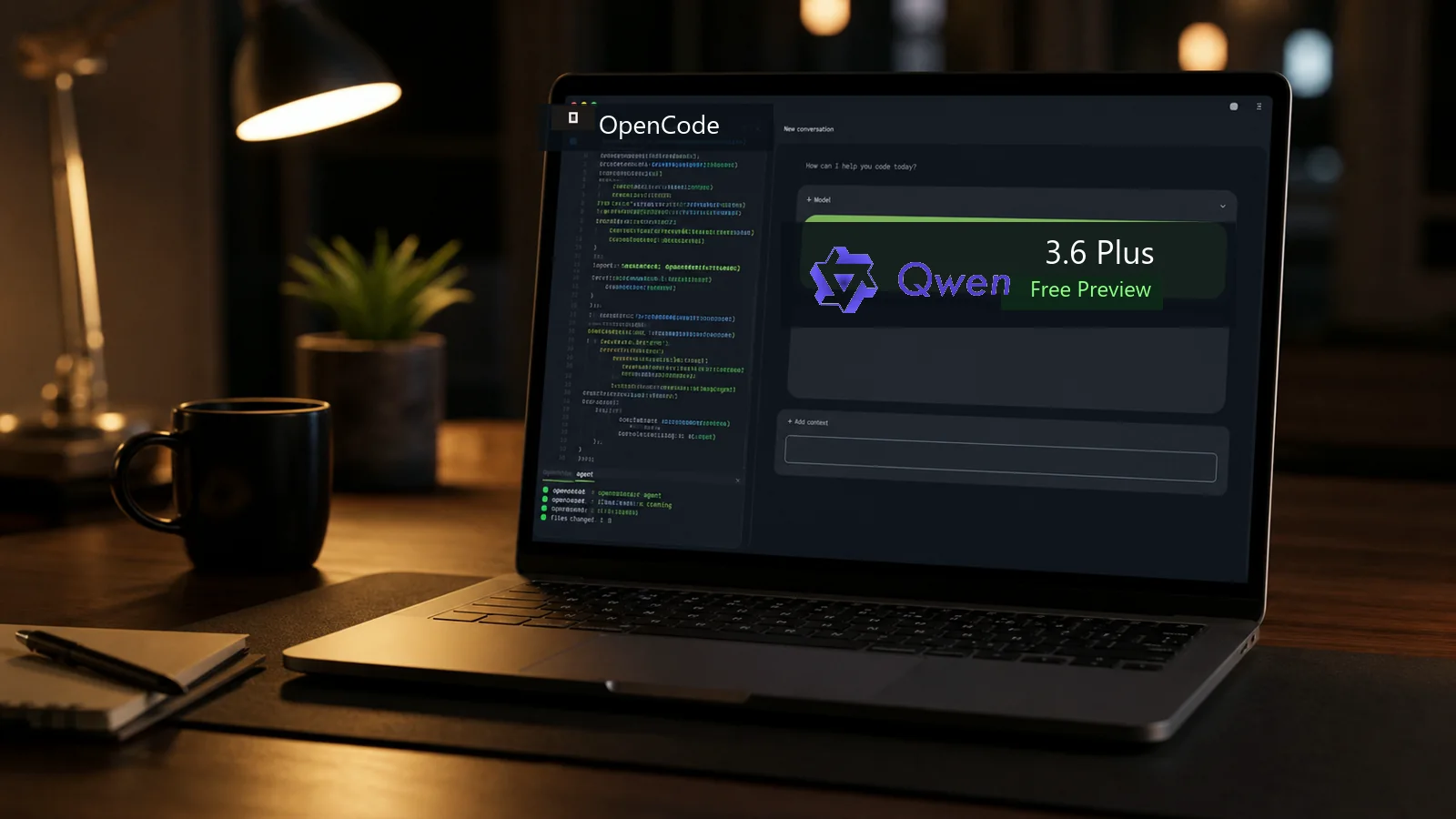
For daily development, DeepSeek V4 Pro is probably the best cost/performance bet right now. GPT-5.5 is the most serious premium alternative to Claude Code: expensive in API terms, yes, but fast, multimodal, well integrated and much more reassuring if you want to avoid Claude availability problems. In my case, the €20 Codex plan replaced Claude Max because it already covers my main usage. DeepSeek V4 Flash is worth using for routing or lower-risk agentic tasks. Qwen 3.6 Plus in OpenCode already shows why the Qwen family matters for long workflows. Gemini 3.5 Flash is still interesting if you are already in the Google or Antigravity ecosystem, but its pricing makes it less obvious than the name suggests.
The right strategy is not to replace Claude with one single model. It is to build a multi-model setup: GPT-5.5 or Claude for premium tasks, DeepSeek for volume, Qwen for long agentic sessions, Gemini for fast multimodal workflows. In 2026, the real skill is no longer just prompting well. It is routing well.
— Ruben