The trick in short
GLM-5.2 is one of the most interesting coding-model releases right now. Z.ai positions it for long-horizon engineering tasks, with a 1M-token context window and strong agentic coding use cases. It clearly belongs in my 2026 LLM coding comparison.
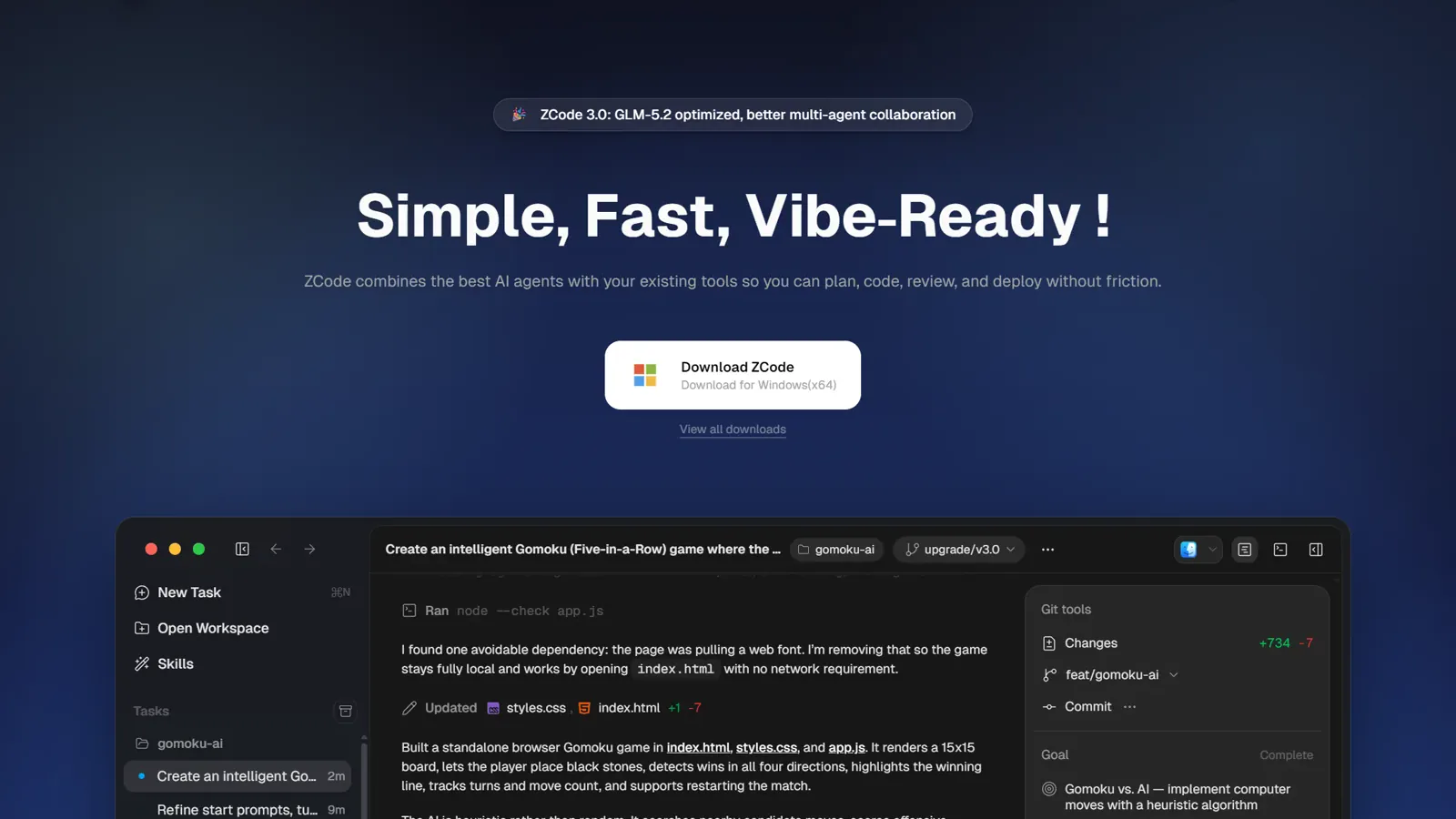
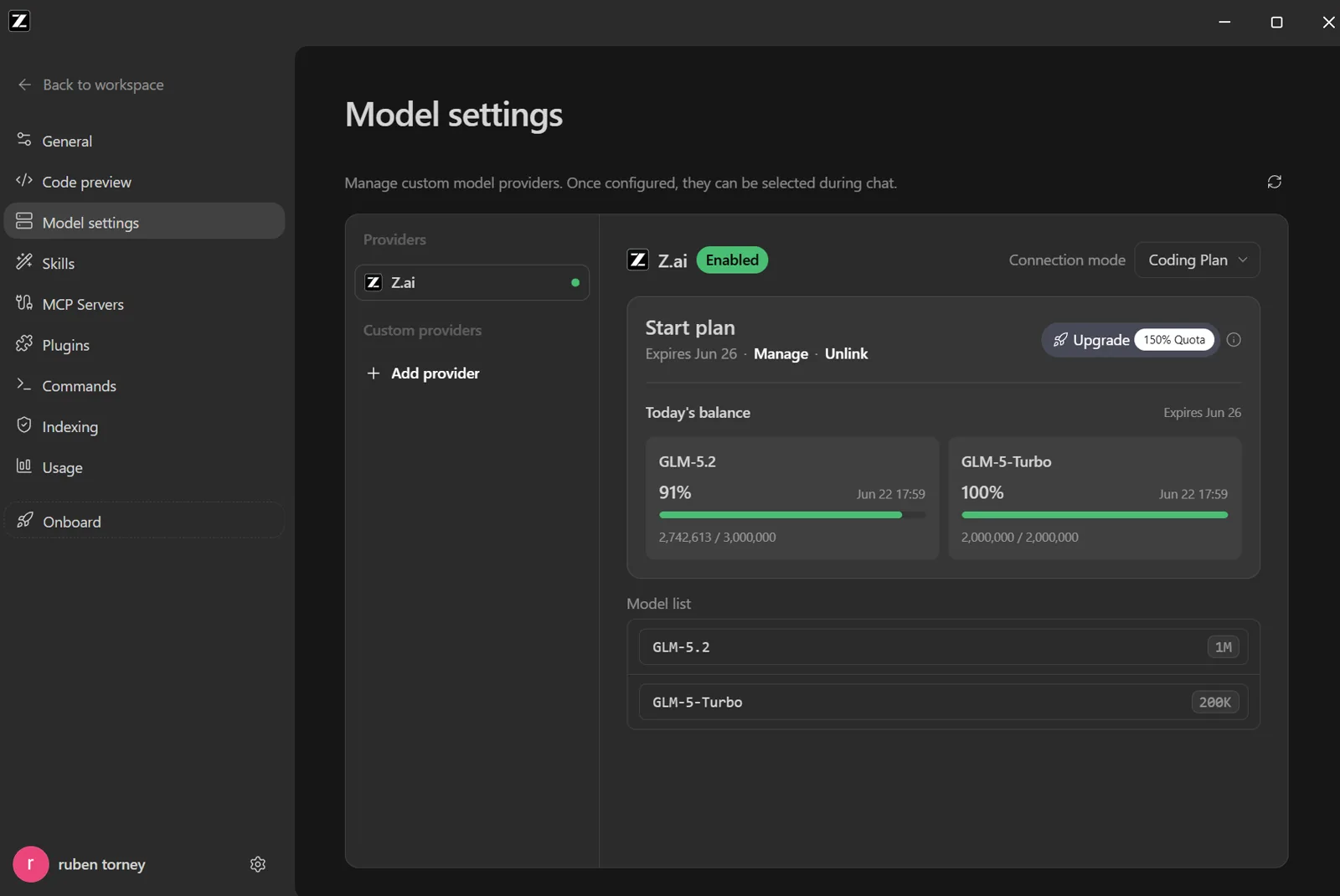
The easiest way to try it is ZCode, Z.ai's desktop coding-agent app. On my account, the app showed a free plan with 3,000,000 GLM-5.2 tokens available per day. Based on the public GLM-5.2 API pricing, that is roughly $12 per day. Treat this as a temporary window, not a permanent promise.
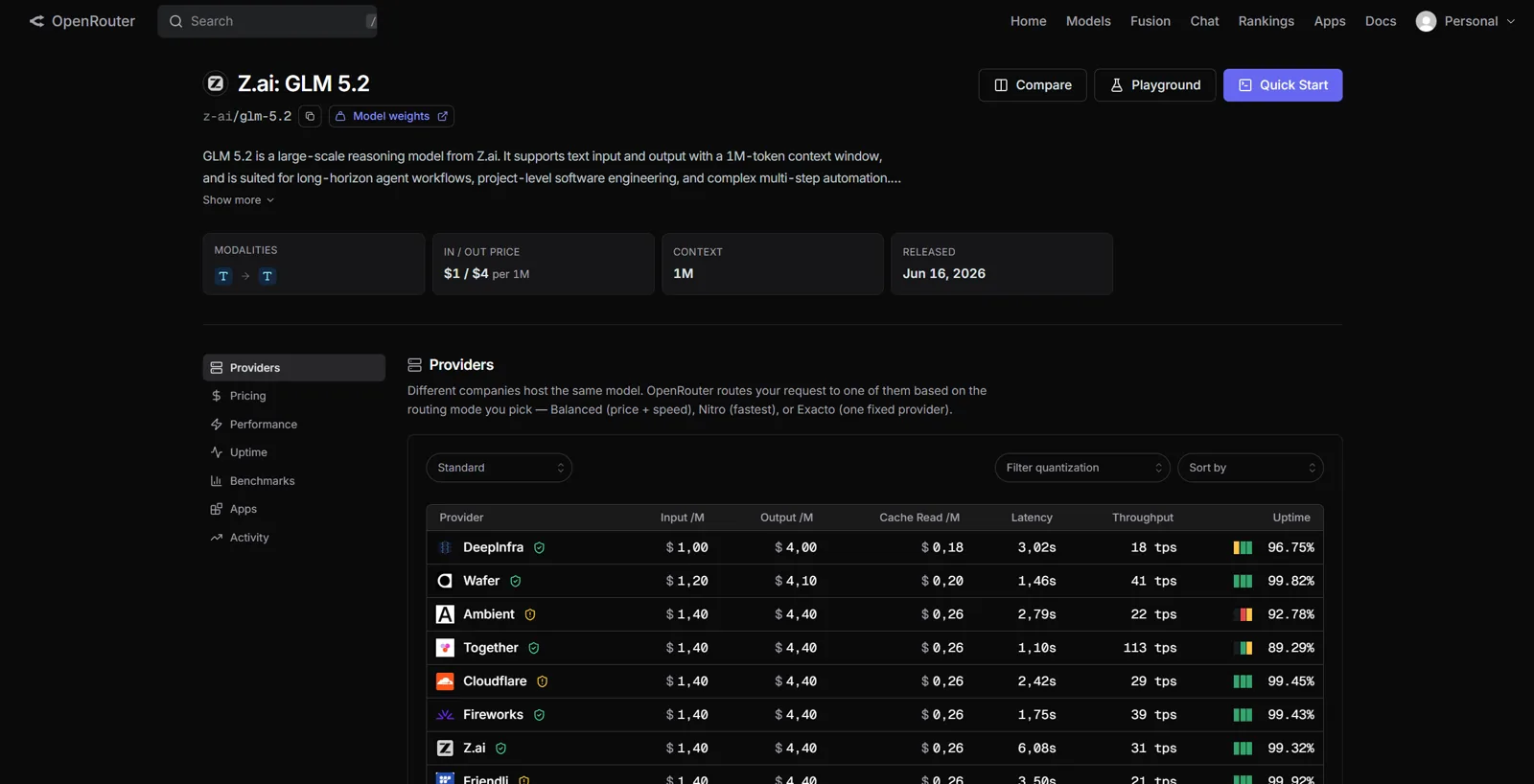
I did not need a payment card for this test: Z.ai account, Windows install, device authorization, then direct use inside ZCode.
Create a Z.ai account
Open z.ai and create an account. Using Google is the fastest path, and it is the same account you will use inside ZCode.
In my test, no payment card was required. That matters: the whole point is to test GLM-5.2 before paying, similar to the temporary free windows I covered with Qwen in OpenCode and MiMo Code.
Install ZCode on Windows
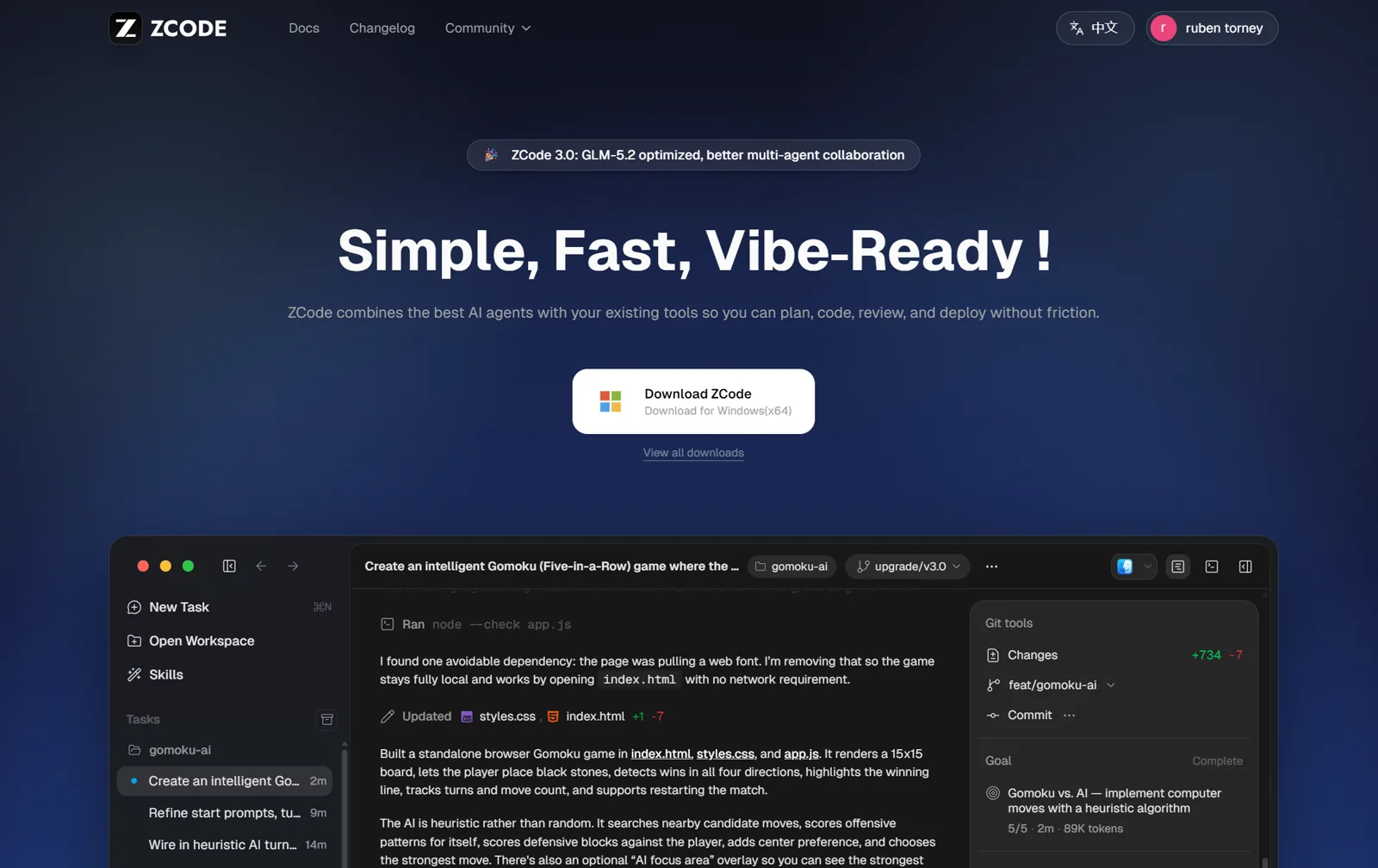
Go to zcode.z.ai/en and download the Windows installer. The page also offers macOS and Linux builds, but this tutorial keeps to the Windows path.
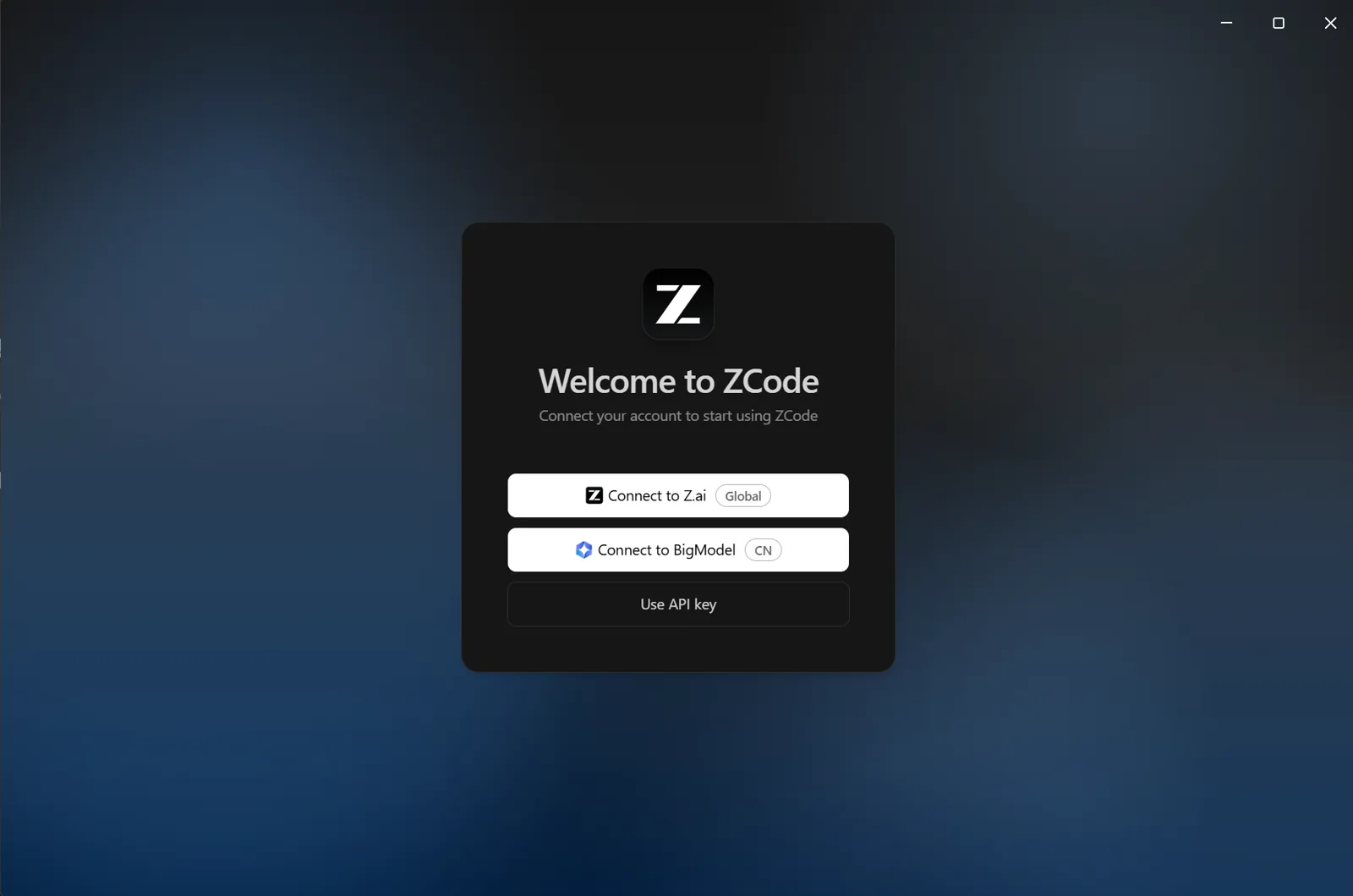
Install the app, open it, and sign in with the Z.ai account. ZCode then shows a welcome screen with the account connection flow.
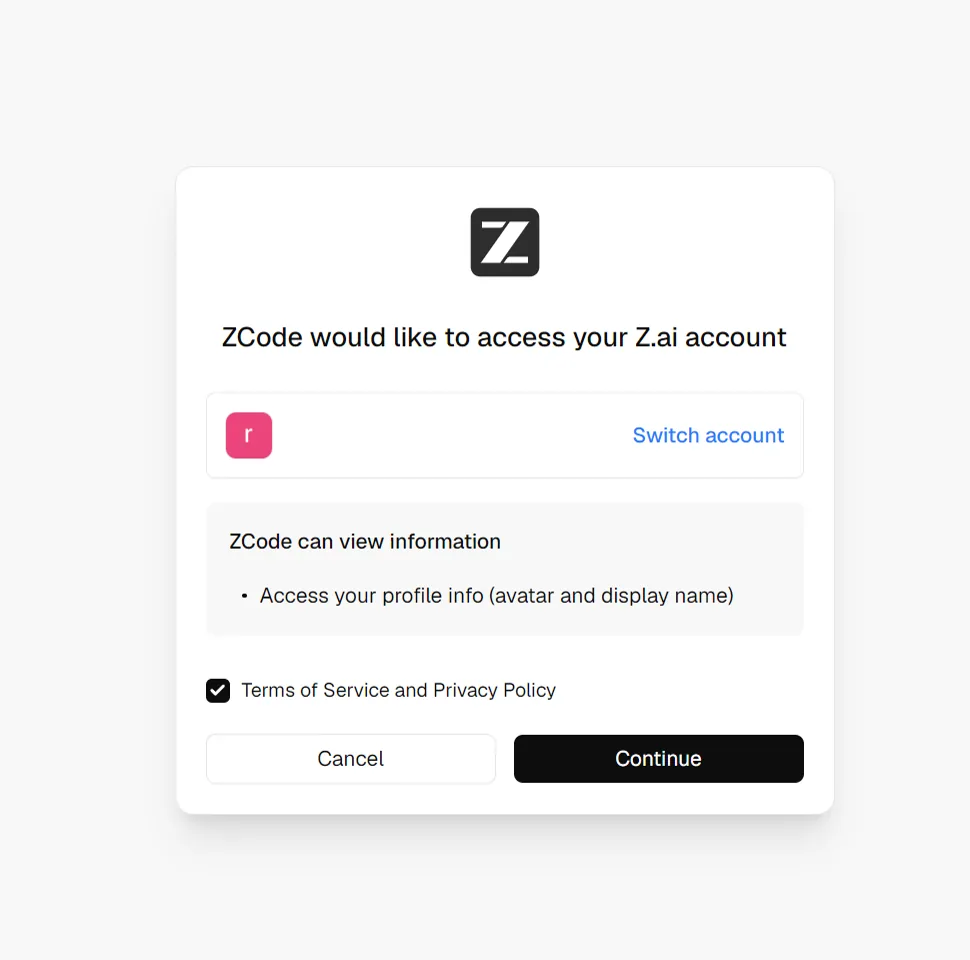
The last setup step is device authorization. ZCode opens a Z.ai window asking permission to link the app to your account. Select the account, accept the terms and continue.
Enable GLM-5.2 and check quota
Once connected, open a workspace or create a new task. In model settings, ZCode shows GLM-5.2 and GLM-5-Turbo with the daily usage counters.

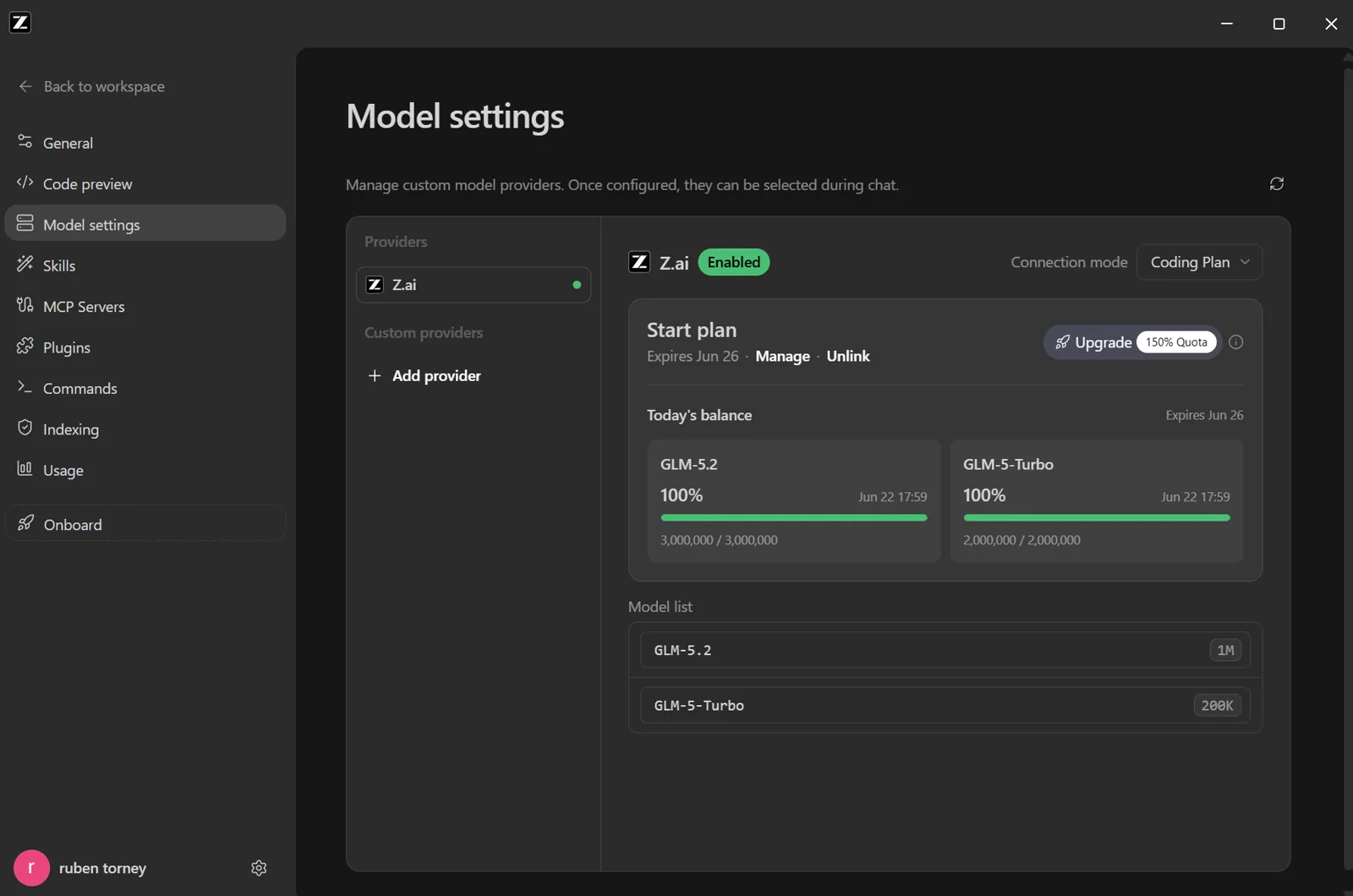
After a test generation, the counter goes down. That gives you a concrete view of remaining daily usage.
Test with the Antigravity prompt
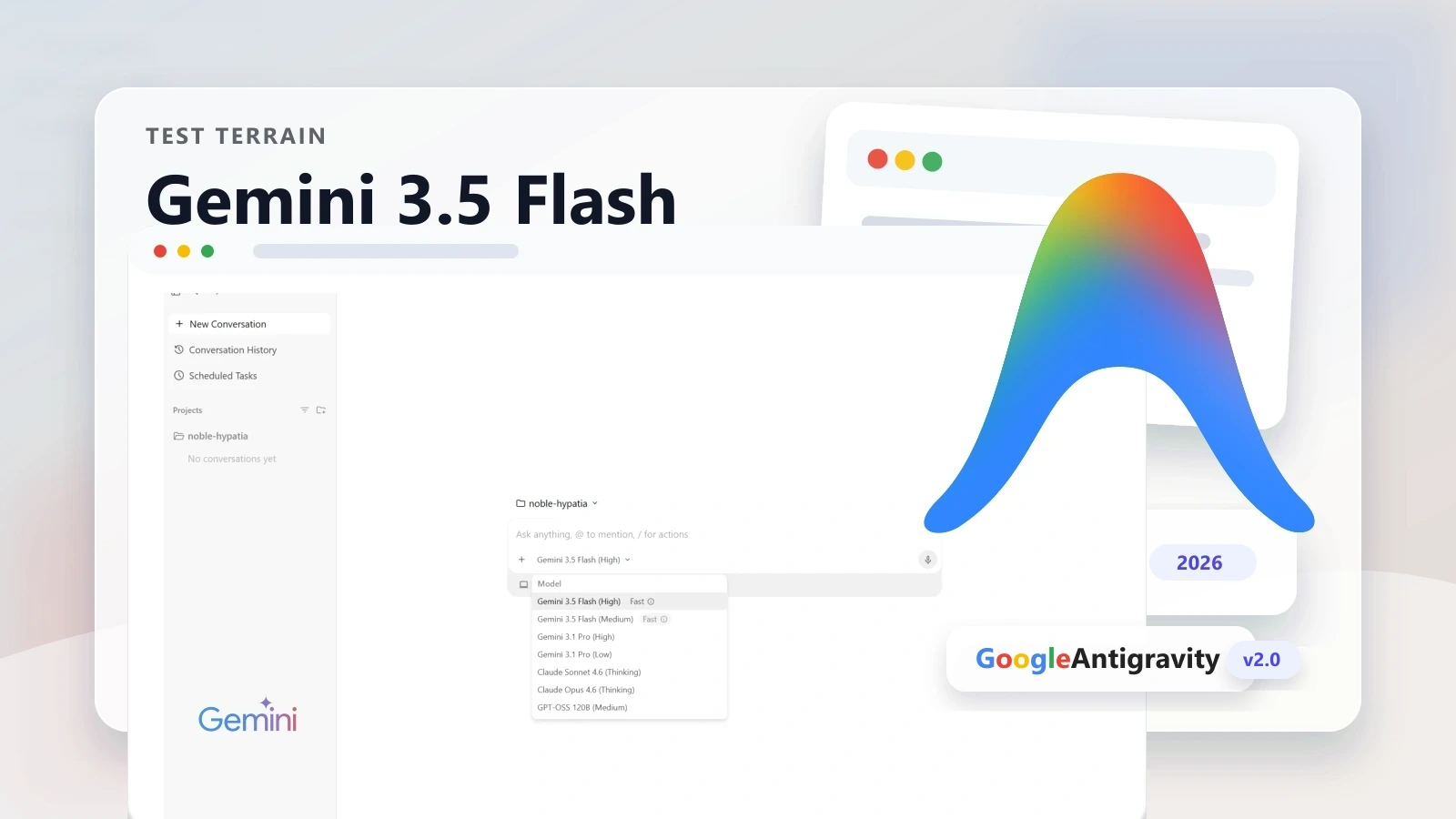
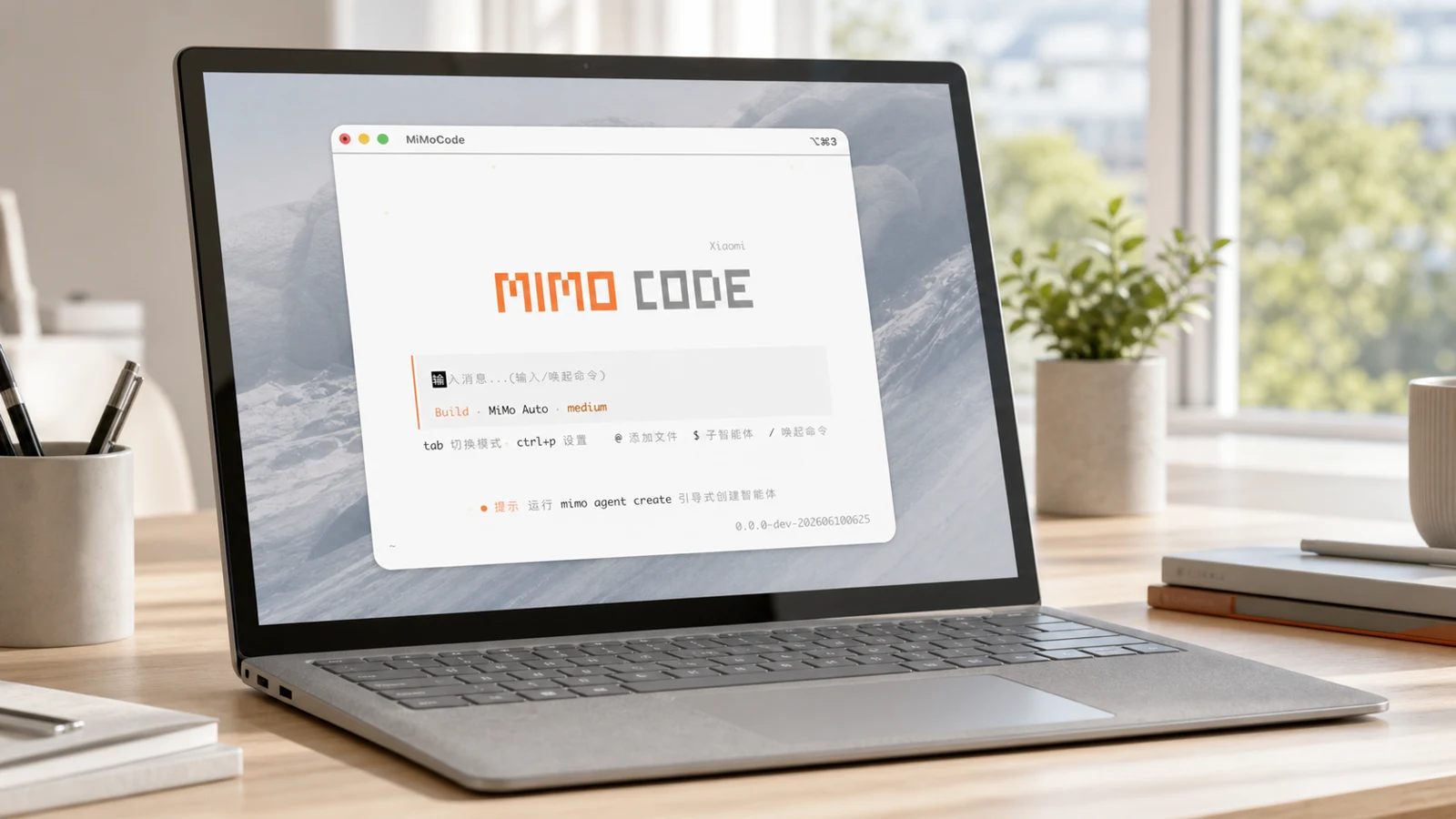
To compare ZCode with other tools, I reused the same frontend brief as in my Gemini 3.5 in Antigravity 2.0 test and the MiMo Code on WSL2 tutorial. It is a useful quick benchmark: a premium guest-house landing page, not a toy todo app.
Tu es un agent de développement front-end senior.

Objectif :
Créer une landing page moderne, responsive et premium pour une maison d’hôtes / location de vacances, avec un module de réservation simple et une direction artistique chaleureuse, élégante et immersive.

Contexte :
Le site doit donner envie de réserver un séjour dans une maison d’hôtes haut de gamme, située dans un cadre naturel ou patrimonial. L’expérience doit rassurer, mettre en valeur le lieu, les chambres, les services et faciliter la réservation.

Stack souhaitée :
- HTML, CSS et JavaScript vanilla
- Code propre, structuré et maintenable
- Aucun framework obligatoire
- Compatible desktop, tablette et mobile
- Design responsive
- Animations légères et fluides

Pages / sections attendues :

1. Header
- Logo fictif de la maison d’hôtes
- Navigation claire : Accueil, Chambres, Expériences, Galerie, Avis, Réserver
- Bouton CTA visible : “Réserver maintenant”
- Header sticky avec léger effet au scroll

2. Hero dynamique
- Grande image immersive en arrière-plan
- Titre fort, par exemple : “Une parenthèse élégante au cœur de la nature”
- Sous-titre court et rassurant
- CTA principal : “Vérifier les disponibilités”
- CTA secondaire : “Découvrir la maison”
- Effet visuel moderne : overlay, léger mouvement, fade-in ou parallax doux
- Prévoir une image générée ou simulée représentant une belle maison d’hôtes moderne, chaleureuse, avec jardin, piscine ou terrasse

3. Module de réservation
Créer un vrai bloc de réservation visible dès le haut de page :
- Date d’arrivée
- Date de départ
- Nombre de voyageurs
- Type de chambre
- Bouton “Rechercher”
- Validation simple en JavaScript
- Afficher un message de confirmation ou d’erreur selon les champs remplis
- Design premium, clair et facile à utiliser

4. Section présentation
- Présenter la maison d’hôtes en quelques paragraphes courts
- Mettre en avant : calme, confort, charme local, petit-déjeuner, proximité des activités
- Ajouter 3 à 4 badges de confiance : Wi-Fi, Parking, Petit-déjeuner inclus, Piscine / Jardin

5. Section chambres
- Créer 3 cartes de chambres :
  - Chambre Jardin
  - Suite Terrasse
  - Chambre Familiale
- Chaque carte doit contenir :
  - Image
  - Nom
  - Description courte
  - Prix à partir de
  - Bouton “Voir la chambre”

6. Section expériences
- Mettre en avant les activités :
  - Petit-déjeuner maison
  - Balades et nature
  - Détente au jardin
  - Découverte du patrimoine local
- Utiliser des icônes simples ou illustrations légères

7. Galerie
- Grille d’images élégante
- Images représentant la maison, les chambres, le jardin, la terrasse et les petits-déjeuners
- Prévoir des placeholders propres ou générer des visuels cohérents
- Ajouter un effet hover moderne

8. Avis clients
- 3 témoignages clients
- Note moyenne affichée, par exemple 4.9/5
- Design rassurant et premium

9. CTA final
- Bandeau immersif avec fond image ou dégradé
- Texte : “Prêt à réserver votre prochaine escapade ?”
- Bouton : “Réserver mon séjour”

10. Footer
- Coordonnées fictives
- Liens utiles
- Réseaux sociaux
- Mentions légales
- Rappel du CTA de réservation

Direction artistique :
- Style moderne, premium, chaleureux, naturel
- Palette recommandée :
  - Beige clair / sable
  - Vert sauge
  - Blanc cassé
  - Brun doux
  - Accent doré ou terracotta
- Typographies élégantes :
  - Serif moderne pour les titres
  - Sans-serif lisible pour les textes
- UI avec cartes arrondies, ombres douces, espaces généreux
- Ne pas faire un design froid ou trop corporate

Images :
- Créer ou simuler des images cohérentes avec le thème :
  - Maison d’hôtes lumineuse
  - Chambre élégante
  - Terrasse au soleil
  - Petit-déjeuner artisanal
  - Jardin / piscine / nature
- Les images doivent être visuellement cohérentes entre elles
- Utiliser des prompts d’image intégrés dans le code sous forme de commentaires si la génération réelle n’est pas possible

Interactions JavaScript :
- Menu mobile
- Header qui change légèrement au scroll
- Validation du formulaire de réservation
- Message de confirmation après recherche
- Animation légère d’apparition des sections au scroll
- Option bonus : mini-calcul approximatif du prix selon les nuits et le type de chambre

Exigences techniques :
- Fournir tous les fichiers nécessaires :
  - index.html
  - style.css
  - script.js
- Code bien commenté
- Structure claire
- Aucun bug console
- Accessibilité de base :
  - boutons explicites
  - contrastes corrects
  - alt sur les images
  - navigation clavier correcte
- Performance correcte :
  - images optimisées ou placeholders propres
  - animations légères

Critères d’acceptation :
- La landing page doit être visuellement professionnelle dès le premier écran
- Le module de réservation doit être utilisable
- Le rendu mobile doit être propre
- Le hero doit avoir un impact visuel fort
- Le design doit donner envie de réserver
- Le code doit être prêt à être repris par un développeur
- Le résultat doit pouvoir servir de base à un vrai site vitrine de maison d’hôtes

Livrable attendu :
Génère directement le code complet des 3 fichiers :
1. index.html
2. style.css
3. script.js

Ne te contente pas d’une maquette statique : crée une vraie landing page fonctionnelle avec interactions.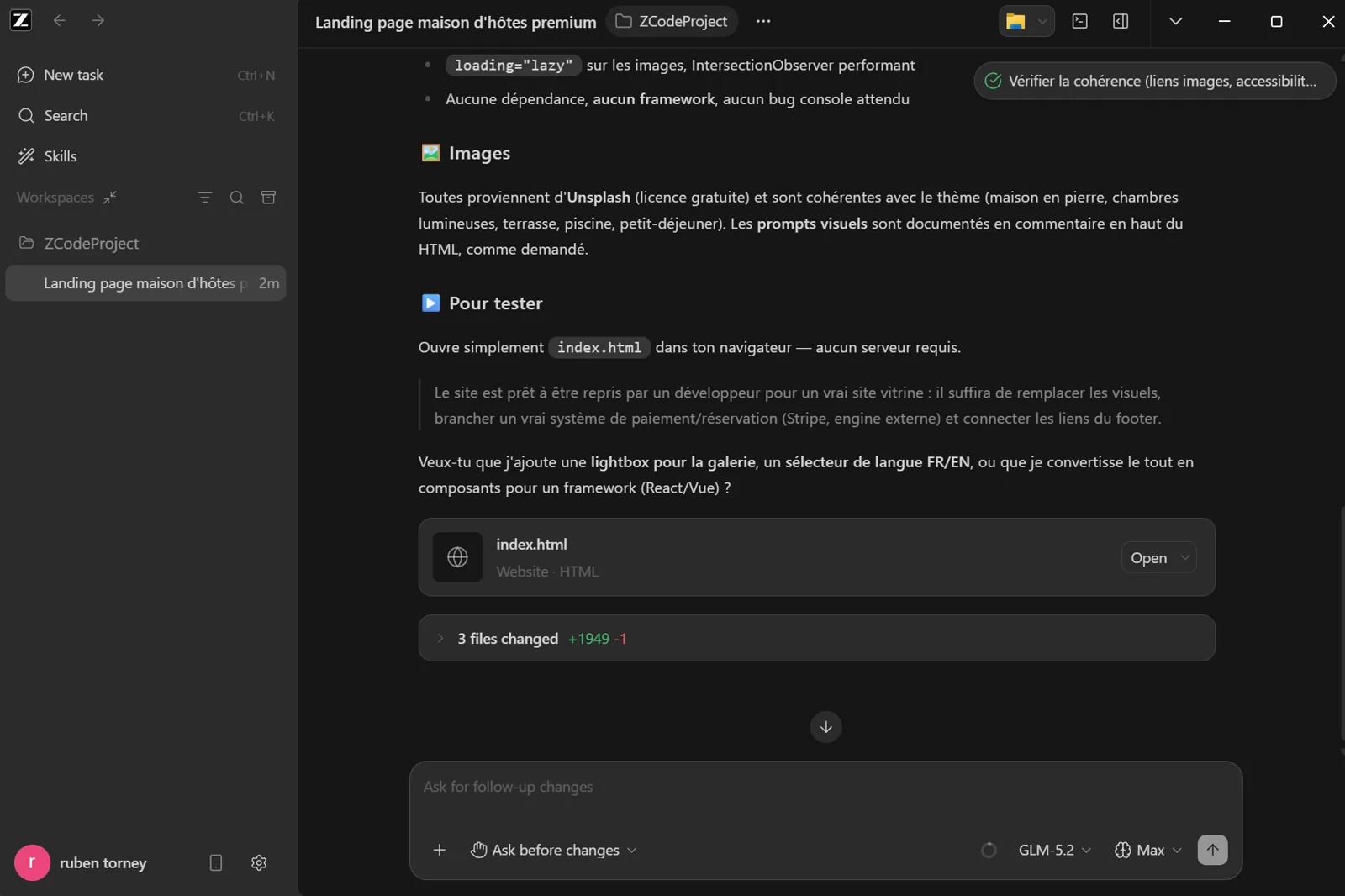
My first impression: the initial result is solid, but still one notch below Gemini 3.5 Flash in Antigravity, which produced a cleaner result from a single prompt. Here, I would clearly expect a few follow-up prompts to fix UI details: some alignment issues, buttons that are not perfectly centered, and spacing that needs a little polish.
That said, it remains usable, and probably close to what I saw with MiMo V2.5 Pro in MiMo Code. The test itself is also simple: no 3D, no complex product flow, no deep business logic. But for many everyday use cases, with the right tools around it, MCP, skills, project context and iteration, ZCode + GLM-5.2 may be more than enough.
So the real question is no longer just “which model is best?”. Today, most high-end coding models have been trained on very similar public data. The decisive layer is the harness: the full environment around the model, context files, project rules, available tools, tests, MCP servers, skills, follow-up prompts and the validation loop. That is what turns a good model into a clean final result while keeping costs under control. And that is exactly where GLM-5.2 becomes interesting: it is much cheaper than an Opus 4.8 or a GPT-5.5, for an output that can be perfectly acceptable with the right instructions.
Limits to keep in mind
This is a great way to test quickly, but I would not build an entire tooling strategy on it yet. The free quota can change, be account-limited or disappear. And any coding agent that reads and edits files should be tested on a non-critical project first.
Still, if you want to try GLM-5.2 without pulling out a payment card, ZCode is a very low-friction entry point. The real question is no longer just which model is strongest, but which setup gives the best balance between quality, cost and local control.