01 — medallion
Data Lake, Lakehouse & DWH
Build a modern data foundation: DWH, bronze/silver/gold zones, medallion architecture, ingestion, transformation, historization, governance and exposure for BI, AI or data science use cases.
From Bordeaux, I design, modernize and industrialize Data Cloud platforms: DWH, Data Lake, Lakehouse, medallion architectures, Azure, Microsoft Fabric, Databricks, Synapse, Power BI, Terraform, CI/CD, FinOps, security and governance. On Azure when that is the right call, on European providers such as Scaleway or Hostinger when sovereignty comes first. From SMBs to large groups, with the same level of rigour.
The goal is to build a platform usable by business teams and maintainable by technical teams: reliable data, controlled costs, managed permissions and an architecture that remains readable over time.
Build a modern data foundation: DWH, bronze/silver/gold zones, medallion architecture, ingestion, transformation, historization, governance and exposure for BI, AI or data science use cases.
Frame the right Azure components: DWH, Data Factory, Synapse, Data Lake Storage, Functions, Key Vault, Log Analytics, CI/CD and supervision.
Structure lakehouses, semantic models, Power BI reports and business usage with strong attention to performance, access rights and costs.
Set up PySpark processing, notebooks, jobs, optimizations, development patterns and best practices for robust pipelines.
Describe and version infrastructure: environments, network, storage, secrets, monitoring, CI/CD and Terraform modules adapted to a maintainable data platform.
Track costs by usage, avoid idle resources, size processing correctly and make trade-offs readable for teams.
Access management, segmentation, secrets, logs, GDPR compliance, traceability, data quality and clear ownership on critical flows.
Move from POC to production: deployment pipelines, development standards, reviews, monitoring, alerting, documentation, incident recovery and team enablement.
Azure is often the natural choice when the company already works with Microsoft, Power BI, Entra ID, Microsoft Fabric or the Azure ecosystem. But every context is different: sensitive data, contractual constraints, localization, reversibility, budget or sovereignty requirements can change the target architecture.
Depending on the need, I can frame an Azure platform, a hybrid approach, or a more sovereign architecture on European providers such as Scaleway or Hostinger. The goal is not to force a single cloud, but to pick a foundation that fits the use cases, the risks, the teams and the expected level of control — with reversibility designed in from the start rather than discovered on the way out.
The same question applies to AI: as soon as a platform exposes its data to a model, where inference runs becomes an architecture decision in its own right. That is the subject of what an AI agent task really costs and choosing an AI strategy rather than a model.
A good Data Cloud platform is not a pile of services. It must answer concrete use cases, with a progressive path and measurable success criteria. Sizing follows the size of the organization: an SMB needs a simple foundation that stands up without a dedicated team, a large group needs an architecture that clears the security review, access governance and the investment committee.
Map flows, sources, reports, processing, costs, dependencies, security risks and operational pain points.
Choose useful components, ingestion patterns, governance rules, SLAs, data zones and the operating model.
Move by batches: foundation, first critical flows, CI/CD pipelines, monitoring, industrialization, documentation and gradual handover to the team.
From Bordeaux, I support companies of all sizes in Bordeaux, Mérignac, Pessac, Talence, Bègles, Gironde, Nouvelle-Aquitaine and across France remotely on Data Cloud architecture, DWH, medallion architectures, Azure, Fabric, Databricks, Terraform, CI/CD, FinOps, security and platform modernization.
An Azure Data Architect designs the data foundation and flows on Azure. A data expert also works on modeling, processing, BI and quality. A cloud architect broadens the scope to infrastructure, security, network, operations and costs. On a Data Cloud platform, these dimensions strongly overlap.
No. Azure is often relevant if the company already uses Microsoft, Fabric, Power BI or Entra ID. But depending on data, sovereignty, budget and operational constraints, a hybrid, French or European approach may be preferable.
Yes. I work on platform design, pipelines, DWH, lakehouses, medallion architectures, semantic models, Power BI reports, industrialization and governance around these components.
Yes, when the context justifies it. Terraform helps version environments, avoid manual configuration, secure deployments and make the platform more reproducible across development, staging and production.
Yes. The goal is to make delivery more reliable: version code, automate deployments, separate development, staging and production, control changes and reduce manual operations on critical environments.
By framing use cases before services, tracking costs by processing or domain, sizing resources correctly, automating shutdown of unused environments and maintaining regular FinOps governance.
Scaleway and Hostinger allow compute and storage to run on servers located in Europe, with a DPA, identified sub-processors and no CLOUD Act exposure. The choice depends on the actual need: workload type, volume, expected managed services, cost and contractual requirements. A sovereign architecture usually costs more in integration work, where a hyperscaler provides more ready-made building blocks.
Both. An SMB expects a simple foundation, usable without a dedicated data team and with readable costs. A large group expects an architecture that clears the security review, compliance, access governance and the investment committee. I adapt the method and deliverables to the context, with 9 years of experience in Data, Cloud and BI across retail, finance, healthcare, real estate, public sector and consulting environments.
No. I am based in Bordeaux and can support companies in the Bordeaux area, Gironde and Nouvelle-Aquitaine, but also anywhere in France remotely for audits, framing, target architectures and team enablement.
What I test and measure in the field: the real cost of inference, FinOps for AI tools, local hardware and sovereignty trade-offs on a data platform.
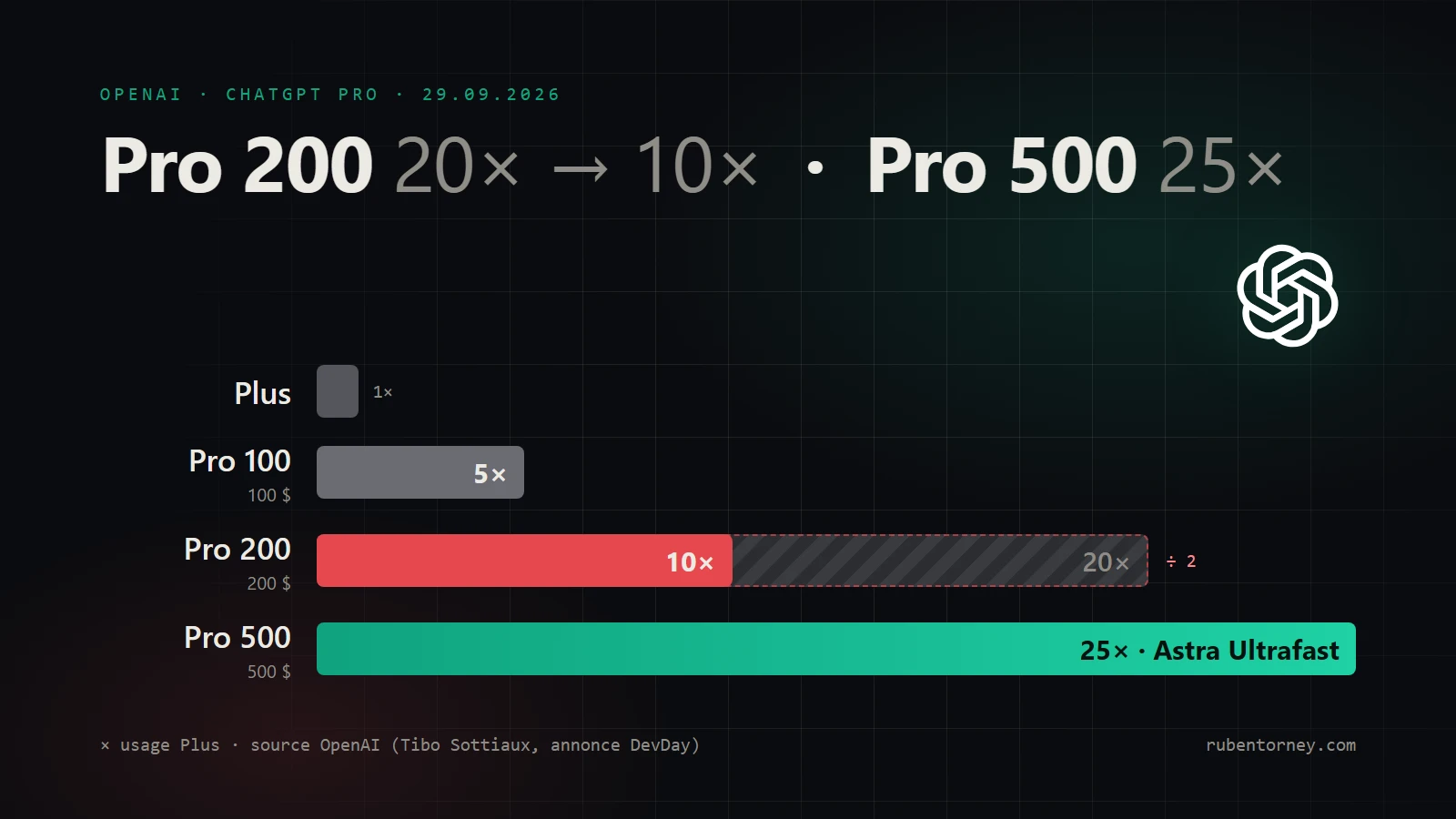
OpenAI reopens Pro 200 with half the included usage and adds a Pro 500. After the September 10 freeze, the end of the open bar is getting closer.
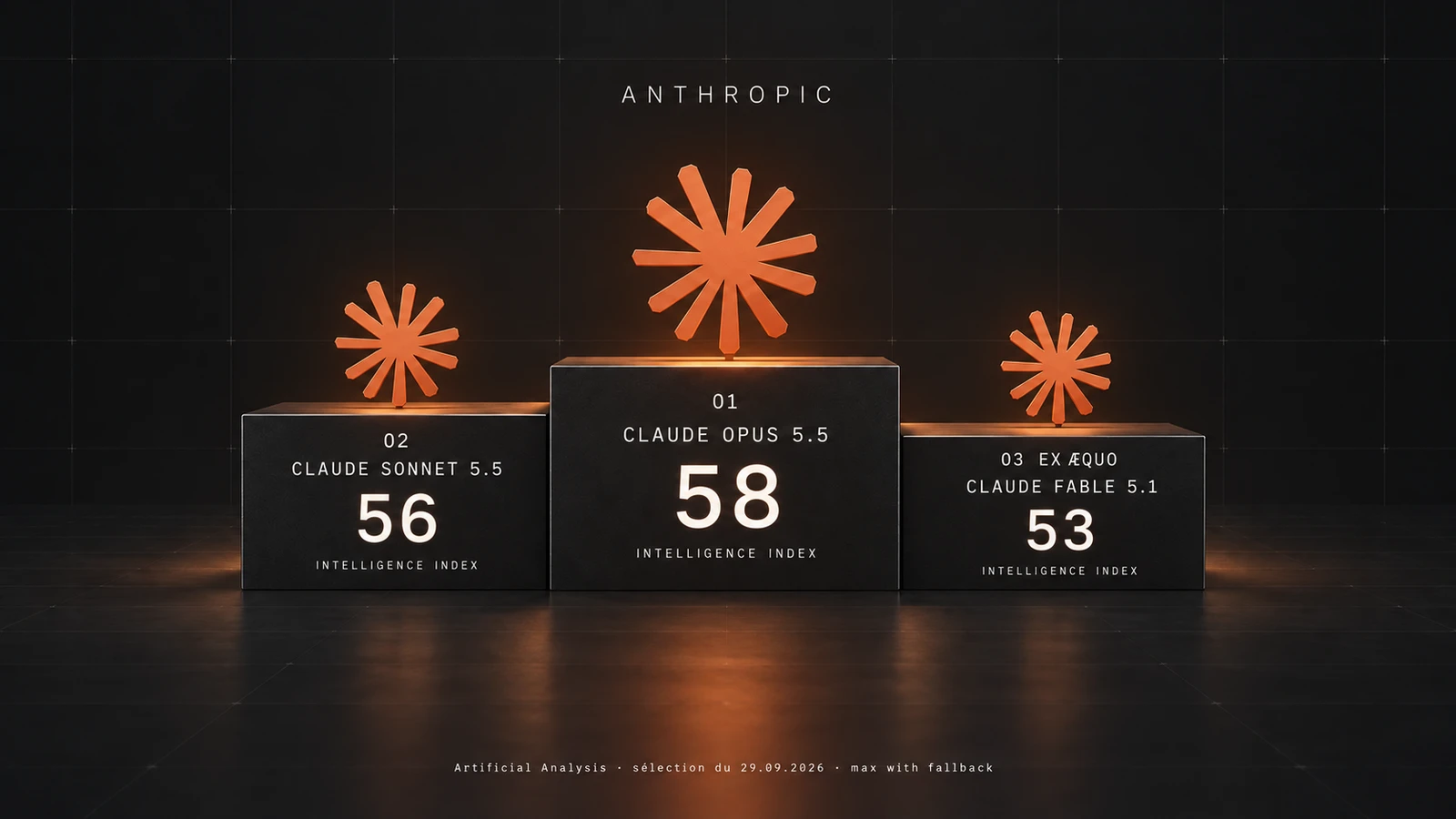
Opus 5.5 now leads the Intelligence Index. How to claim up to $250 in cloud credits by October 7, my measured test and Anthropic’s IPO.
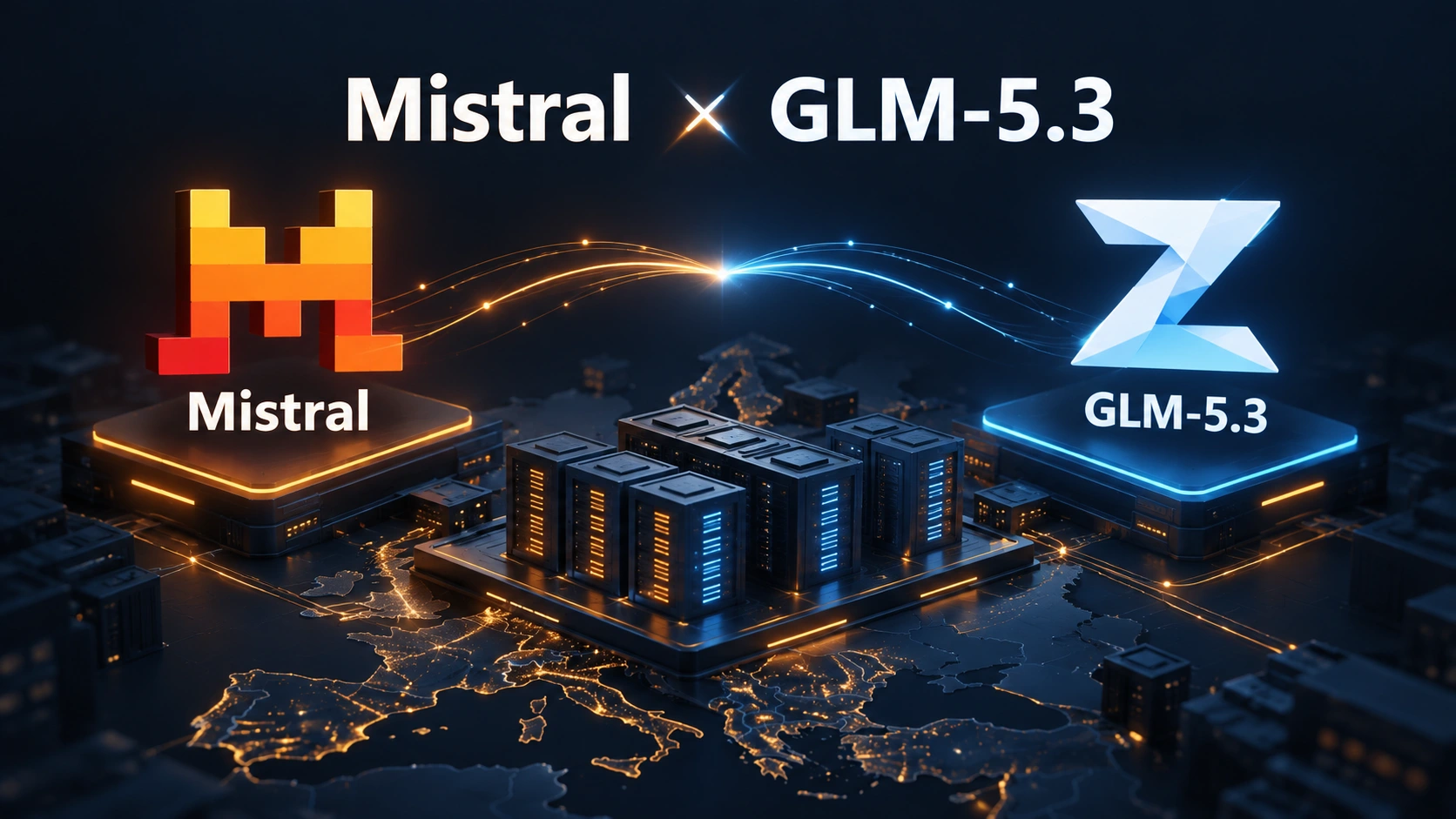
GLM‑5.3 on Mistral, Artificial Analysis scores, the AI Act, costs and guardrails. My view of Europe’s bet on hosting Chinese open-weight models.
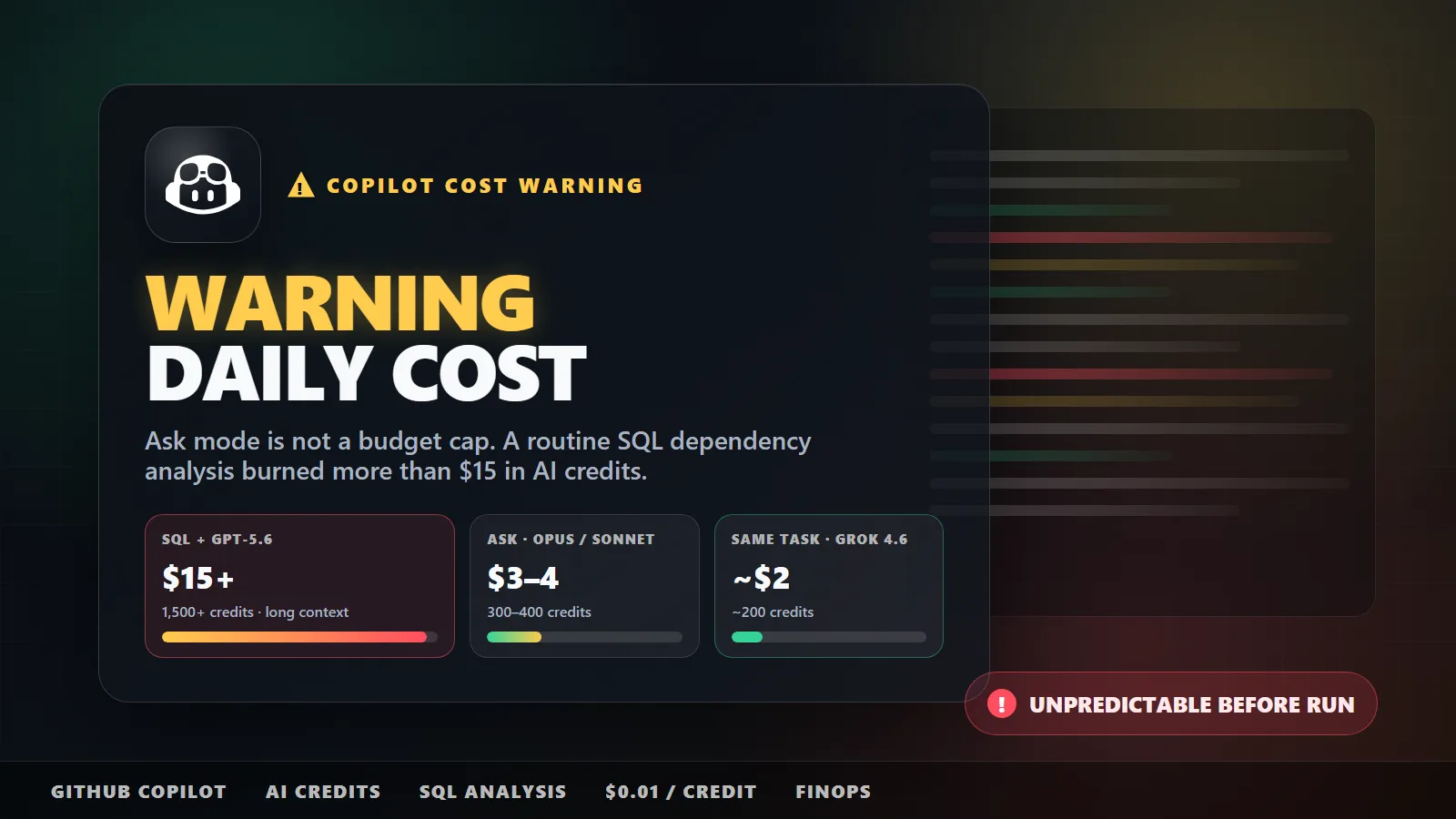
Three months after the open bar ended, a routine SQL analysis burned more than $15 in credits. Ask mode is not a budget cap.
We can start with a short discussion to understand your existing system, use cases, security constraints, costs and the expected level of sovereignty.
Discuss your cloud architecture